GARDEN CARE
Every garden needs to be maintained, these are the key items that are done around Bent Street to keep the garden looking it's best.
The follow are the tasks we follow across the seasons.
Weeding
An ongoing task in any garden. We keep an eye out and remove any weeds by hand as they come up. As the plants grow they eventually crowd out any weeds and this will become less of a problem. Mulching will also help suppress the weeds and reduce the weed pressure.
Watering
The plants selected are drought tolerant, though like all plants will perform best with some additional irrigation.
When the garden was getting established we did water them twice a week in the month after planting (or whenever soil was dry), and then we water deeply once a week for the first summer, or more often in very hot or dry conditions.
There is ongoing weekly watering during hot weather or prolonged dry spells to help ensure continued flowering and a better display. We have a water meter connected to the irrigation system so it doesn't activate when it's raining.
In winter no watering is required as the plants are dormant, we adjust irrigation timer as necessary.
Winter cutback
Many plants are herbaceous perennials. Herbaceous perennials go dormant over winter, and need to be cut down to about 10cm above ground level
each winter to make room for new growth in spring.
Tim Pilgrim recommends leaving this cut back until late winter, to ensure the longest possible time to enjoy the dormant forms of the plants which while appearing dead have fantastic structure.
The plants that require this treatment are:

Agastache
Sweet Lili

Erigeron karvinskianus
Seaside daisy

Pennisetum thunbergii
Red Buttons

Verbena rigida
Polaris

Calamagrostis brachytricha
Feather Grass

Gaura lindheimeri
Whirling Butterflies

Salvia leucantha
Mexican Bush Sage

Cota tinctoria
E.C. Buxton

Hylotelephium
Autumn Joy

Stachys byzantina
Lamb's Ear
Clipping and Cloud Pruning
Several of the shrubs are clipped into shape as required, usually in Spring and Autumn. This is important to keep the plants healthy and looking fresh, and can be done with hand shears or hedge trimmers. plants that require this are;

Westringia fruticosa
Coastal Rosemary
Formative pruning
These plants will need to be pruned back occasionally to maintain a desired shape or height.

Backhousia citriodora
Lemon Myrtle

Eucalyptus pulverulenta
Baby Blue

Pycnosorus globosus
Billy Buttons

Continus 'Grace'
Smoke Bush

Myoporum floribundum
Weeping/Slender Myoporum

Salvia azure
Blue Sage

Dichondra argentea
Silver falls

Plectranthus argentatus
Silver Spurflower

Vitis coignetiae
Crimson glory
Dead-heading
This is not essential, but throughout the growing season taking the time to remove spent flower heads will encourage plants to continue to produce flowers for longer periods. At the end of the season all dead flower heads must be removed to allow new ones to grow the following season. Plants that require this are:

Anemone japonica
Japanese Anemone

Chrysocephalum apiculatum
Yellow Buttons

Heuchera
Palace Purple
Salvia azure
Blue Sage

Tradescantia pallida
Purple Heart

Arthropodium cirratum
Renga Renga Lily

Deschampsia cespitosa
Tufted Hairgrass

Liriope muscari
Lilyturf
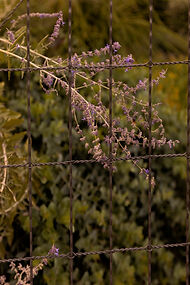
Salvia yangii
Russian Sage

Tulbaghia violacea
Society Garlic

Beschorneria yuccoides
Mexican Lily

Dietes grandiflora
Wild Iris
Plectranthus argentatus
Silver Spurflower

Stachys byzantina
Lamb's Ear

Veronica perfoliata
Digger's Speedwell
Occasional pruning
Plants that reqire only occasional pruning and maintenance every 2-3 years when plants become too big or unproductive. To do this remove dead or damaged leaves or cut back to a third after a decent rain fall in Autumn. Plant that need this are:

Agonis flexuosa
Burgundy Willow Myrtle

Leptospermum petersonii
Lemon Scented Tea Tree

Trachelospermum jasminoides
Star Jasmine
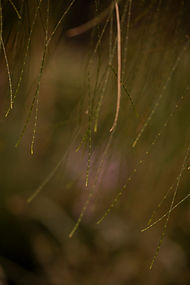
Casuarina cunninghamiana
River She-oak

Lomandra longifolia
Tanika Lomandra

Festuca glauca
Blue Fescue

Poa labillardierei
Tussock Grass
Fertilising
Topping up the garden beds with compost annually will add plenty of nutrients andcontinually build your soil. Other than this, fertiliser is not required, as many of these plants perform better without excess nutrient.
Some photographs by Martina Gemmola